Botox in Altamonte Springs: What It Treats, What It Costs, What to Expect
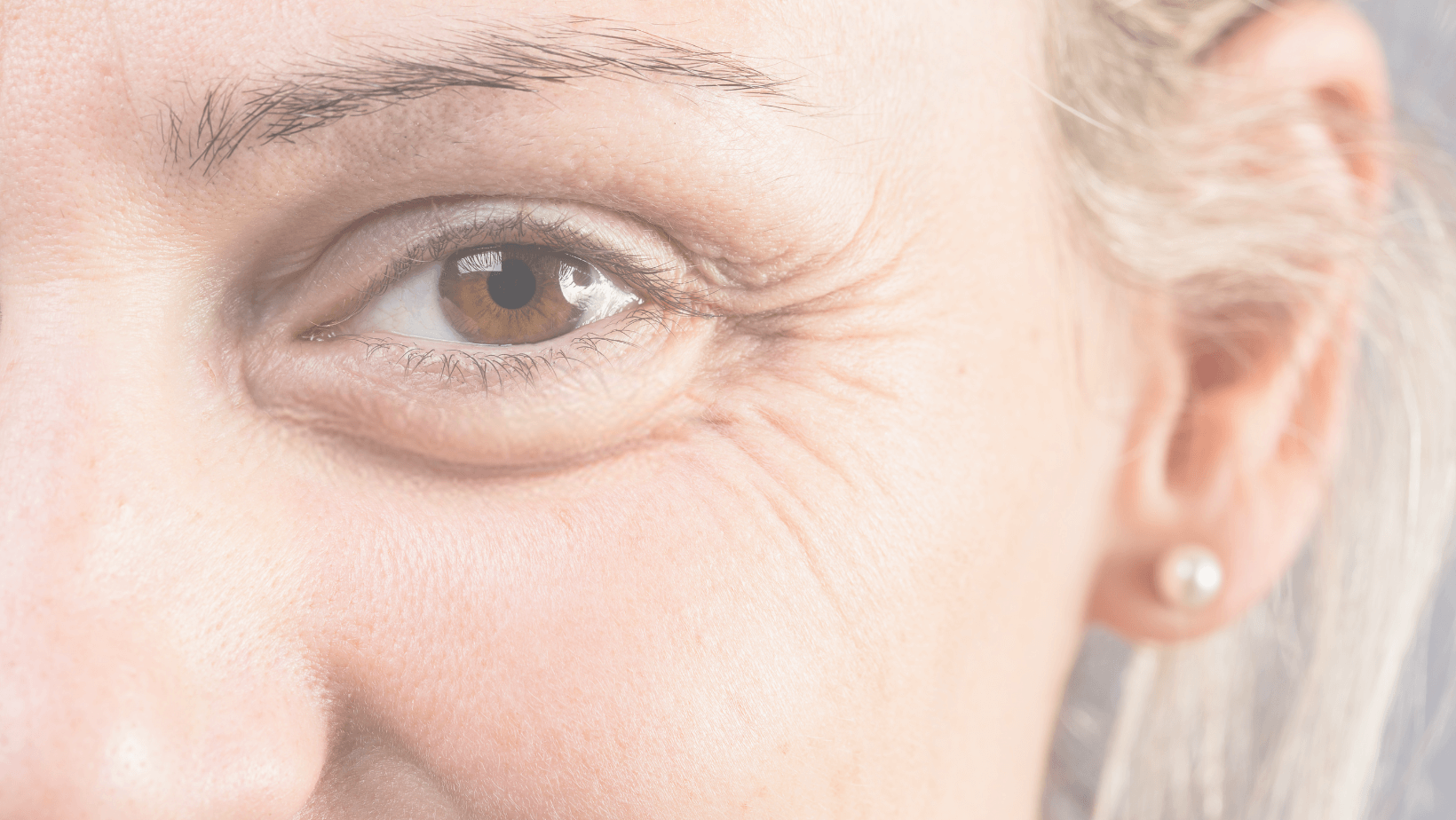
You noticed it in a photo someone else took. Not a bad photo — just the one where the line between your brows stayed put after you stopped frowning. If you live in Altamonte Springs and you have started quietly researching Botox, you are in good company, and you probably have the same three questions everyone brings to a consultation: what does it actually treat, what does it cost here, and what will the next two weeks look like? Here is a straight, medically guided answer to all three, so you can decide from information instead of guesswork.
What Botox actually treats
Botox is a purified neuromodulator. Placed precisely into specific muscles, it softens the repeated movement that folds your skin in the same place thousands of times a year. That is the whole mechanism — it relaxes movement, which allows the skin above it to lie smoother over time. It is not a filler, so it does not add volume, and it is not a resurfacing treatment, so it does not change texture or tone.
In practice, most women in their forties and fifties come in about the upper face, where expression lines show first. The areas we treat most often at Skóra:
- Frown lines (glabella): the two vertical lines between the brows that tend to read as tension or irritation even on a good day.
- Forehead lines: horizontal lines that deepen with brow lift, treated conservatively so your brows still move.
- Crow's feet: the fine fan at the outer corners of the eyes.
- Brow position: small, strategic placement that can lift the tail of the brow and open the eye area.
- Masseter and jaw: for clenching, grinding and a heavier jawline — often as much about comfort as appearance.
- Lip flip and chin dimpling: subtle refinements that finish a plan rather than start one.
What Botox does not address matters just as much. If your concern is hollowness in the cheeks or flattening around the mouth, that is volume loss, and dermal fillers are the more honest answer. If it is crepey texture, pores or laxity, collagen-building treatments like microneedling or PRP and PRF do work Botox cannot. If it is dullness or uneven pigment, a chemical peel belongs in the conversation. Many plans use two of these together, sequenced over months rather than stacked in one visit.
Why your face is changing now — and why that changes the plan
This is the part most Botox articles skip. In your forties, declining estrogen reduces the collagen and elastin your skin has been quietly renewing for decades, and skin loses some of its ability to bounce back from the same expressions it always made. Bone and fat pads shift subtly too. So the same crease that once disappeared when your face relaxed now lingers a little longer each year.
That is why the goal of a good treatment plan is not erasing movement. It is reducing the repetitive folding while supporting the skin's structure, so your face still looks like your face — expressive, awake, recognizably you. Conservative dosing, thoughtful placement and a longer view are what separate a natural result from the frozen look you are trying to avoid. When someone tells us they had Botox before and disliked it, the reason is usually dose and placement, not the product.
What Botox costs in Altamonte Springs
Botox is priced per unit, so the real question is how many units your anatomy needs. In the Altamonte Springs, Longwood and Maitland area, per-unit pricing generally lands in the mid-teens, and typical starting ranges look roughly like this:
| Area | Typical unit range | What it addresses |
|---|---|---|
| Frown lines | 15–25 | Vertical lines between the brows |
| Forehead | 6–15 | Horizontal movement lines |
| Crow's feet | 12–24 | Fine lines at the outer eye |
| Masseter (both sides) | 40–60 | Clenching, grinding, jaw width |
A first upper-face treatment often falls somewhere between a few hundred dollars and the high hundreds, depending on how many areas you treat and how strong those muscles are. Two things are worth knowing before you compare prices around town. First, unusually low per-unit pricing sometimes means fewer units than the area needs, which reads as a short-lived, uneven result you end up paying to correct. Second, results typically last three to four months, so it helps to think in terms of an annual rhythm — usually three visits a year — rather than a one-time purchase. Our membership options exist for exactly that reason, and current promotions are listed on our specials page.
What the appointment and the two weeks after look like
Your first visit starts with a conversation, not a needle. Alina reviews your health history, any medications or supplements that affect bruising, previous treatments and what you actually want to change. Then she watches your face move — at rest, smiling, frowning — because dosing decisions come from your muscle pattern, not a template.
- The treatment itself: usually 10–15 minutes, a series of tiny injections, no anesthesia needed. Most people describe a quick pinch.
- Right after: small raised bumps that settle within 20 minutes, and occasionally a pinpoint bruise. You can return to work the same afternoon.
- First 24 hours: stay upright for four hours, skip strenuous exercise, heat and facials, and avoid rubbing the area.
- Days 3–5: movement begins to soften and you notice lines looking quieter.
- Day 14: the full effect is visible. This is when we schedule a check-in to assess and fine-tune, and it is also when we document your dosing map so future visits build on what worked.
Side effects are typically limited to tenderness or bruising at the injection sites. Less common effects, including temporary heaviness in the brow, are worth discussing with your provider so you understand them before treatment. If you have a health condition or take medication that could interact, bring it up — that is precisely what the consultation is for, and a thorough skin exam is part of how we look at the whole picture rather than a single line.
How to decide whether now is your moment
There is no clinical deadline. A reasonable time to start is when a line you used to see only in expression has started staying visible at rest, and it bothers you when you notice it. Starting there usually means fewer units and a softer, more natural outcome than waiting until the crease is fully etched. And if you are not sure Botox is the right first step at all, that is a legitimate answer to leave a consultation with.
If you would rather explore before booking, take the Skóra Skin Method™ quiz — a few minutes of questions that map what your skin is asking for right now. When you are ready for a plan built around your face, your history and your budget, schedule your Comprehensive Consultation with Alina. We will talk through wrinkle relaxer options, what results are realistic for you, and the sequence that gets you feeling like yourself again — not different, just aligned.